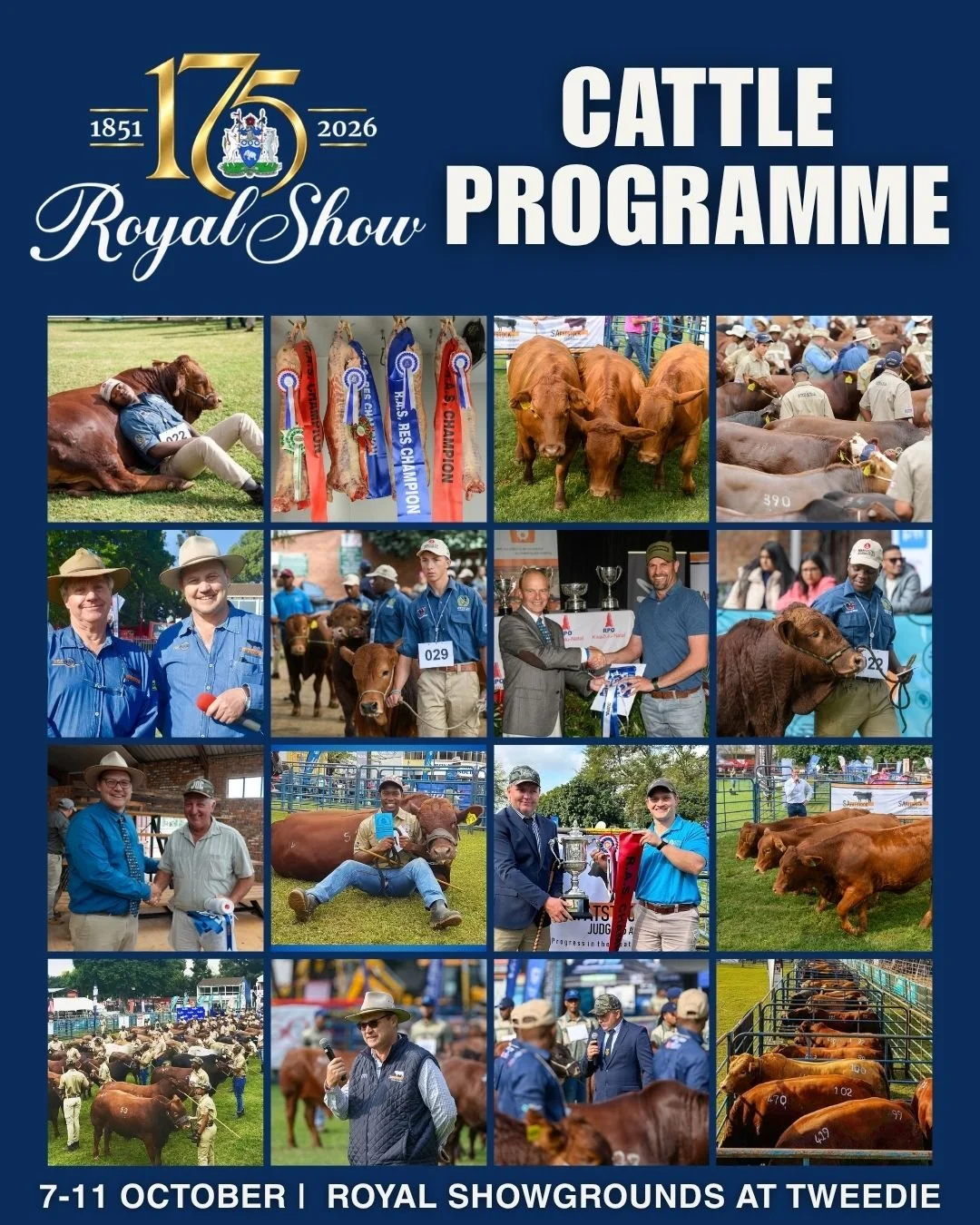
Cattle remain an important part of the Royal Agricultural Show in 2026, with a programme following commercial beef production from stockmanship and live-animal judging through to carcass evaluation and the prestigious Royal Carcass Auction.
This year’s programme differs from the traditional Royal Show cattle section. Foot and Mouth Disease affected livestock planning and contributed to the move from the customary May dates to 7–11 October.
As a result, the emphasis falls less on a conventional stud-cattle programme and more on commercial beef cattle, practical stockmanship, veld heifers, selected breed exhibits, farmer knowledge-sharing and the relationship between the animal in the ring and the carcass it ultimately produces.
At the centre is the Royal Fat Stock Show, encompassing the on-the-hoof judging of steers and heifers and the on-the-hook judging of carcasses. The section is supported by RPO (Red Meat Producers Organisation), Voermol Feeds, ADM Animal Nutrition, HIPRA and the Royal Agricultural Society.
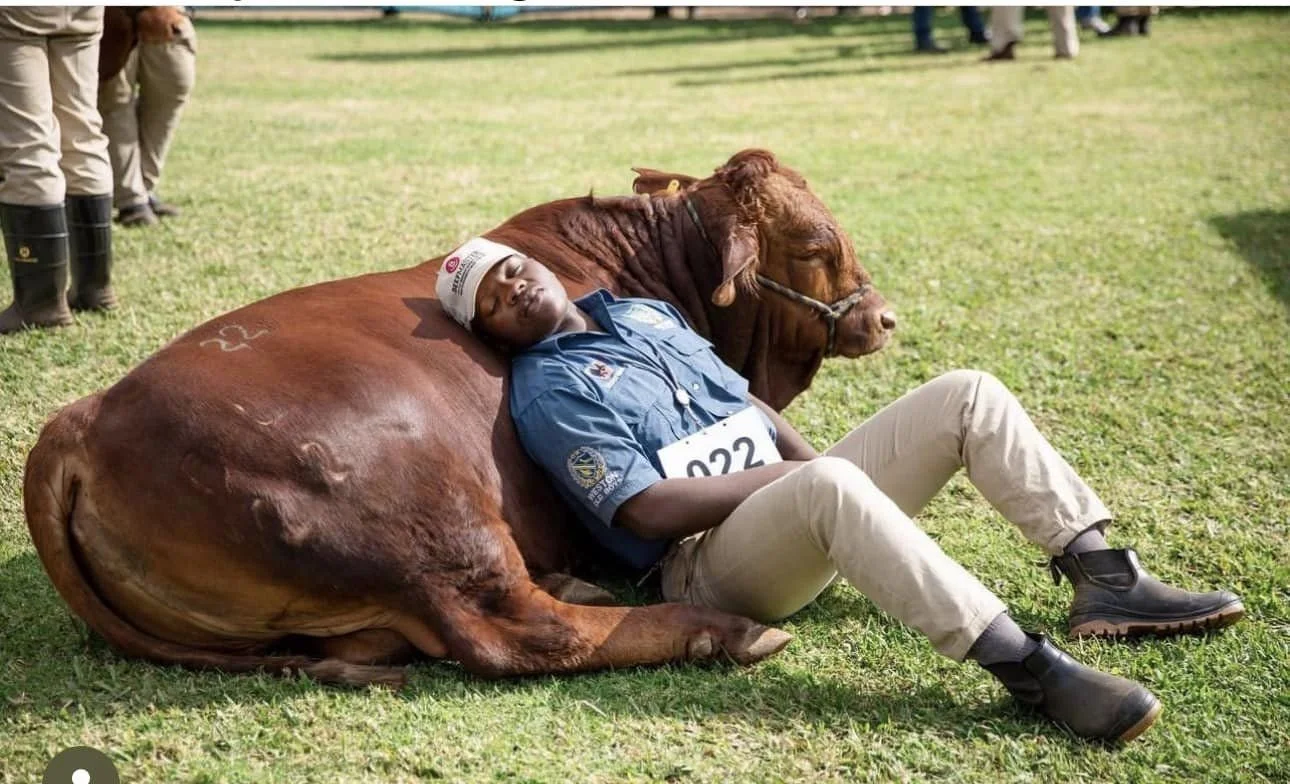
Wednesday: Royal Steers Competition and Student Challenge
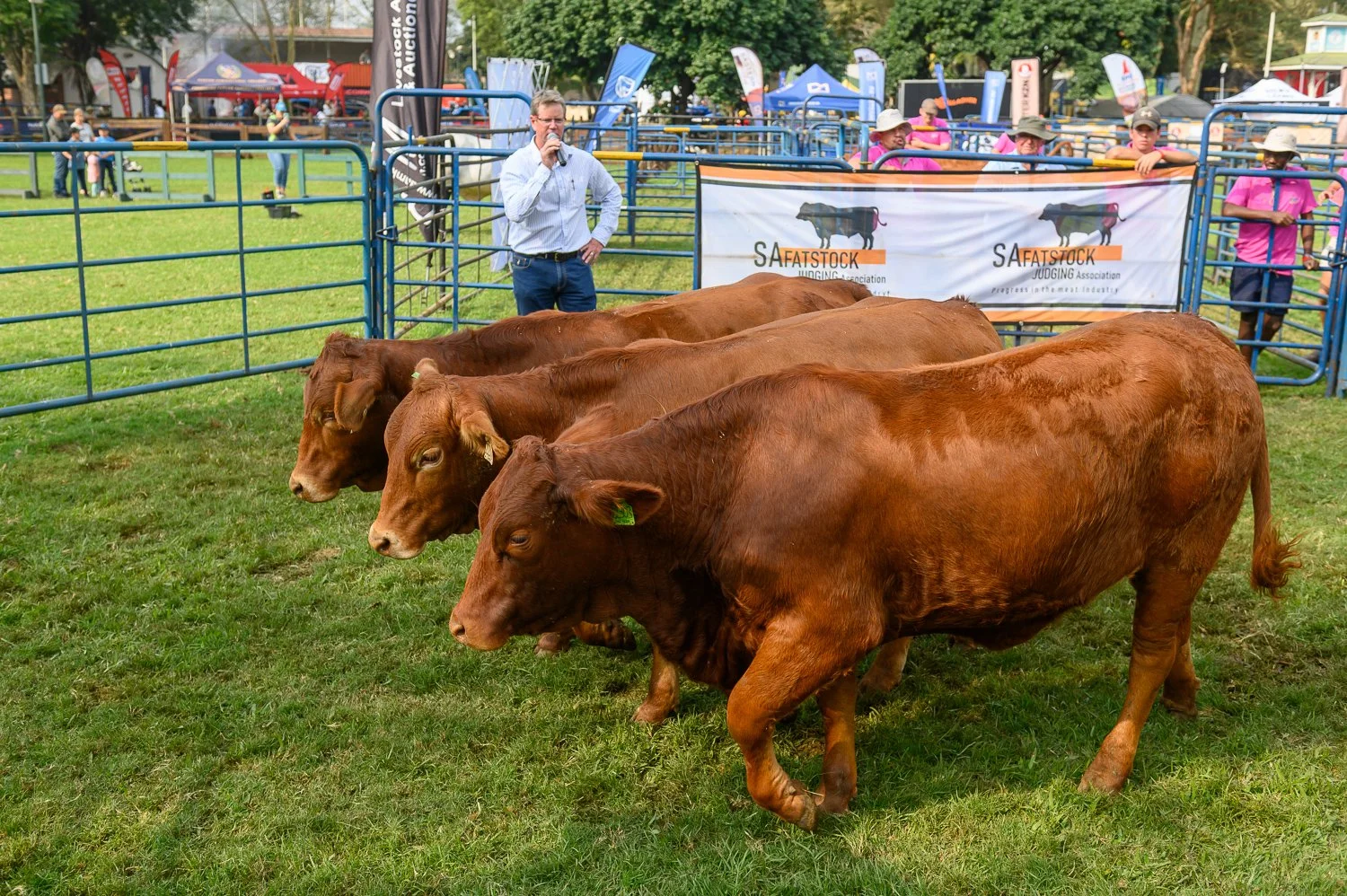
The cattle programme begins in the Hollard Arena at 10:00 on Wednesday, 7 October, with the Royal Steers Competition, the beef component of the Royal Fat Stock Show.
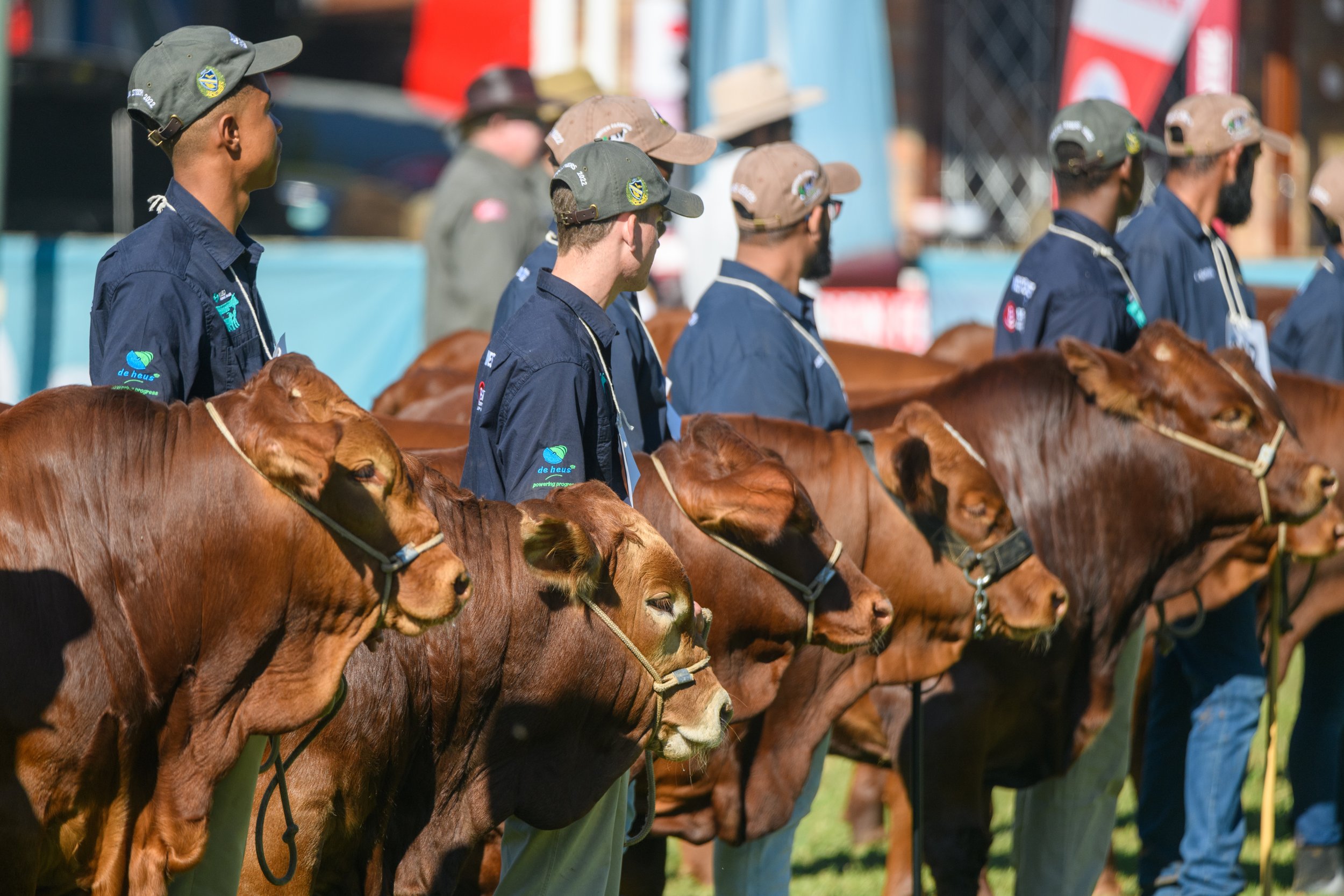
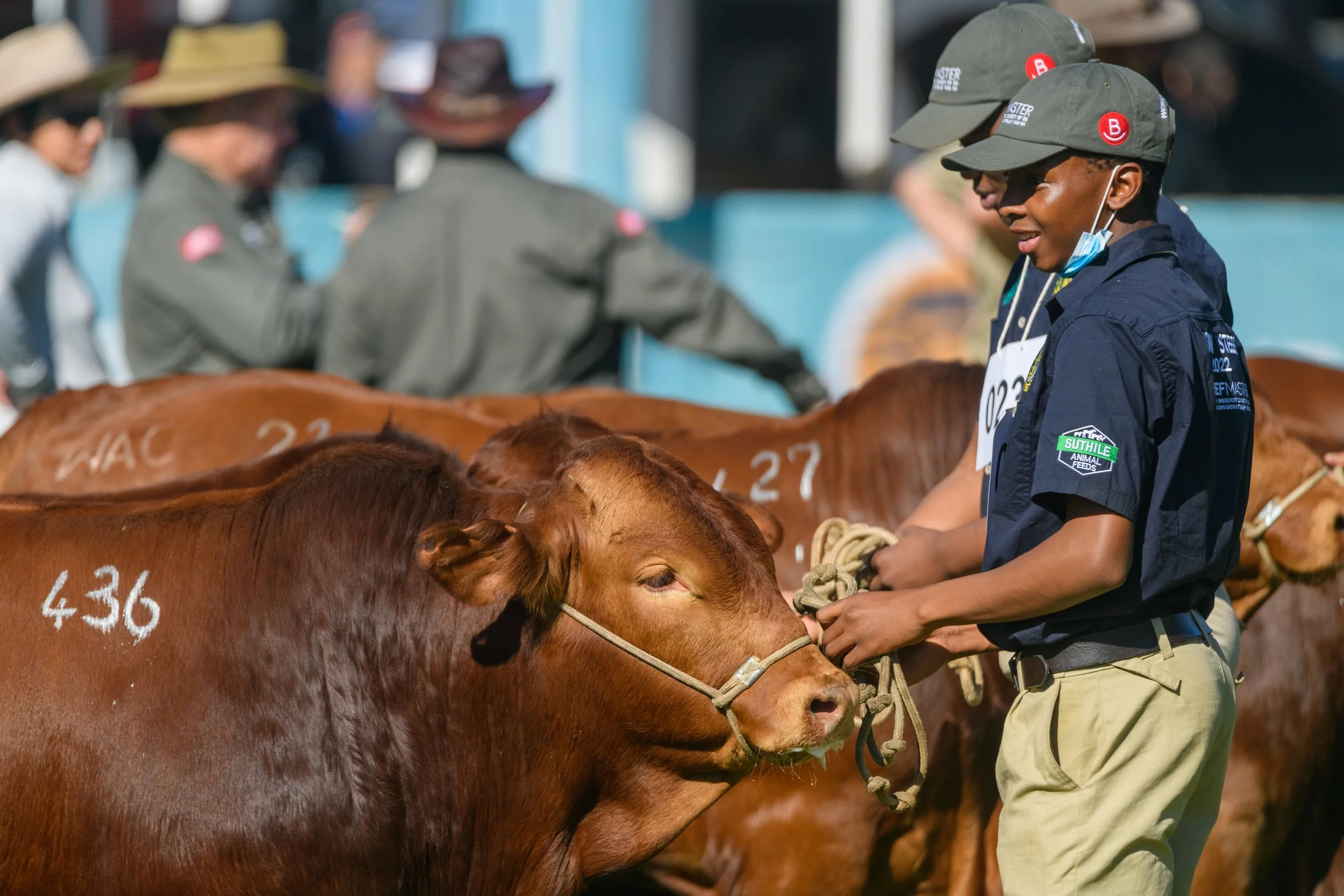
The morning opens with the Student Challenge, bringing students from Cedara College of Agriculture and Weston Agricultural College into the ring with halter-trained cattle. It gives young agriculturalists an opportunity to demonstrate their ability to prepare, handle and present cattle under competition conditions.
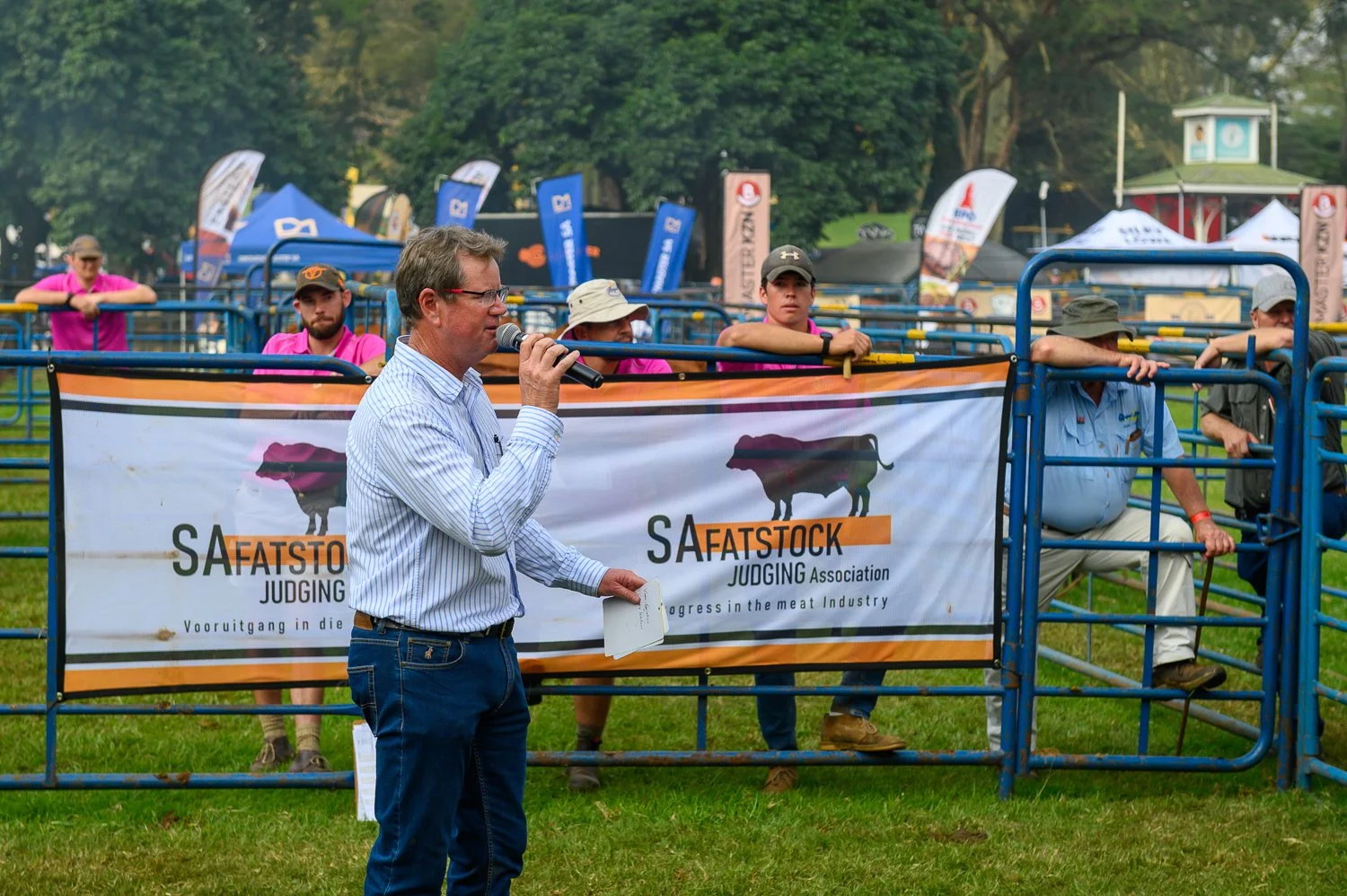
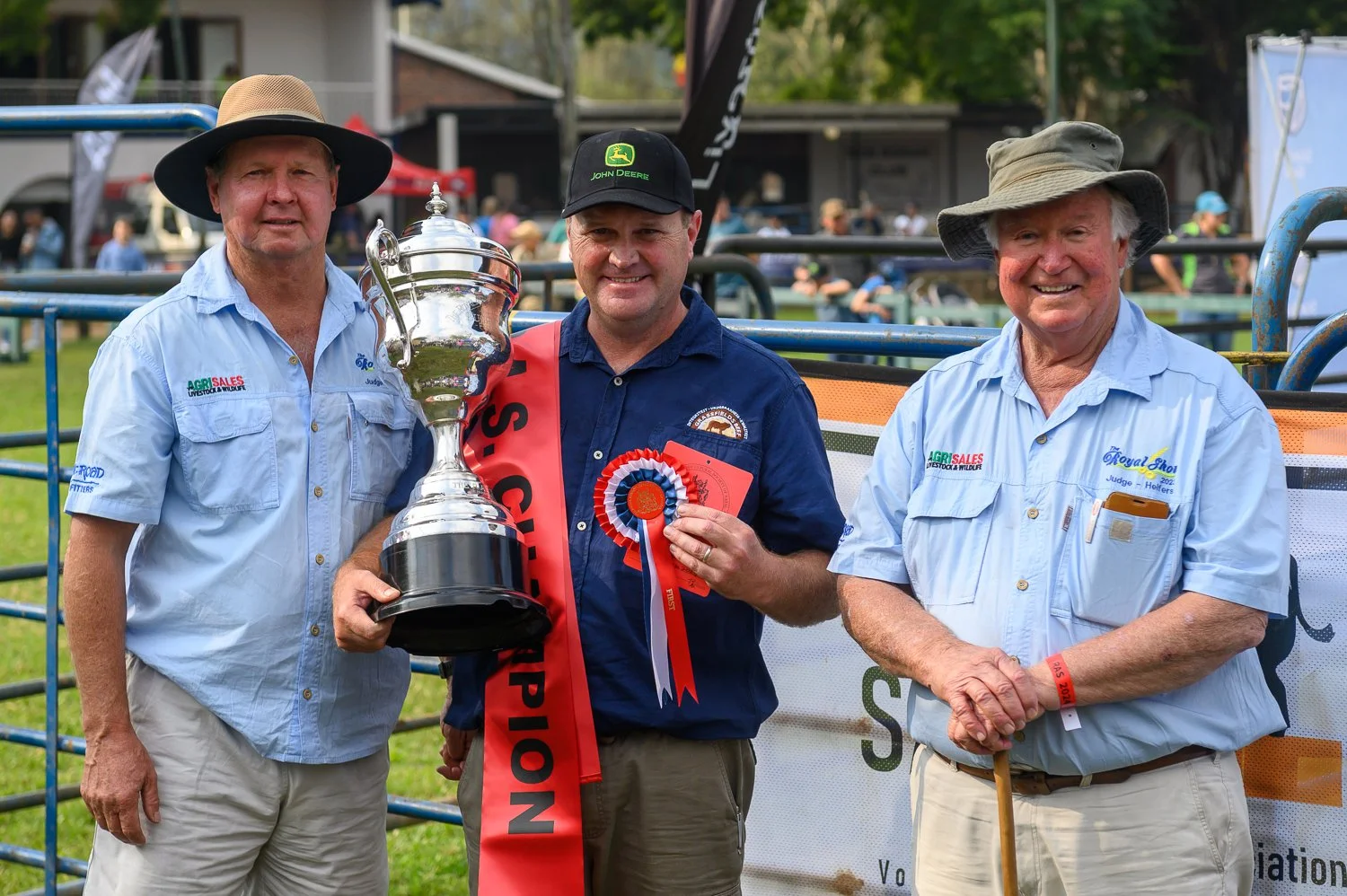
Judging then continues through the Groups of Four, Individual classes, the Biltong Cow Competition and Champion of the Yard, with Dave Shewan and Douglas Fletcher judging.
The Biltong Cow Competition focuses on mature, well-conditioned commercial cows suited to biltong production — typically older, veld-raised animals whose mature meat and characteristic yellow fat are valued for traditional biltong. It demonstrates how a cow nearing the end of her productive breeding life can retain considerable value for a particular market.
The winning Royal Show Biltong Cow will progress to the National Tal-Tec Biltong Cow Competition, where its distinctive yellow fat will be judged against the equally distinctive yellow of Tal-Tec’s cattle-handling equipment.
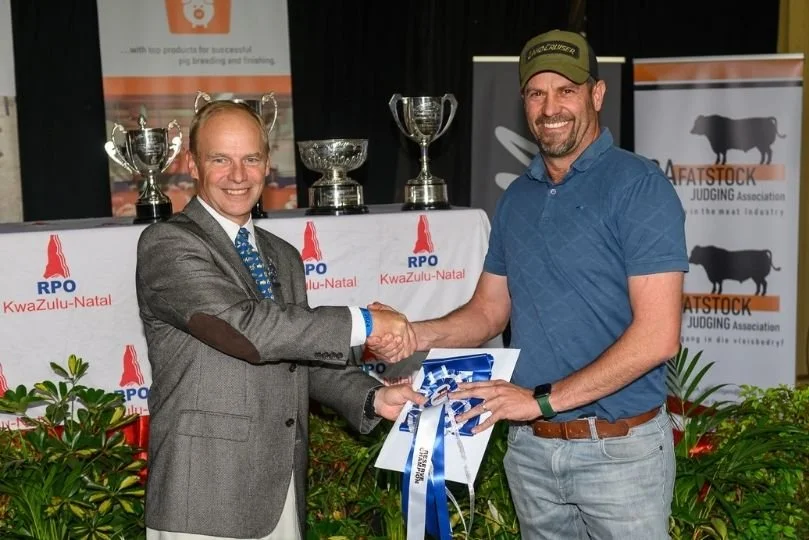
Selected steers also progress from on-the-hoof assessment to the abattoir, where carcasses are evaluated by SAMIC, directly linking the live animal, production decisions and the quality of the final product.
Friday: Royal Veld Heifer Competition
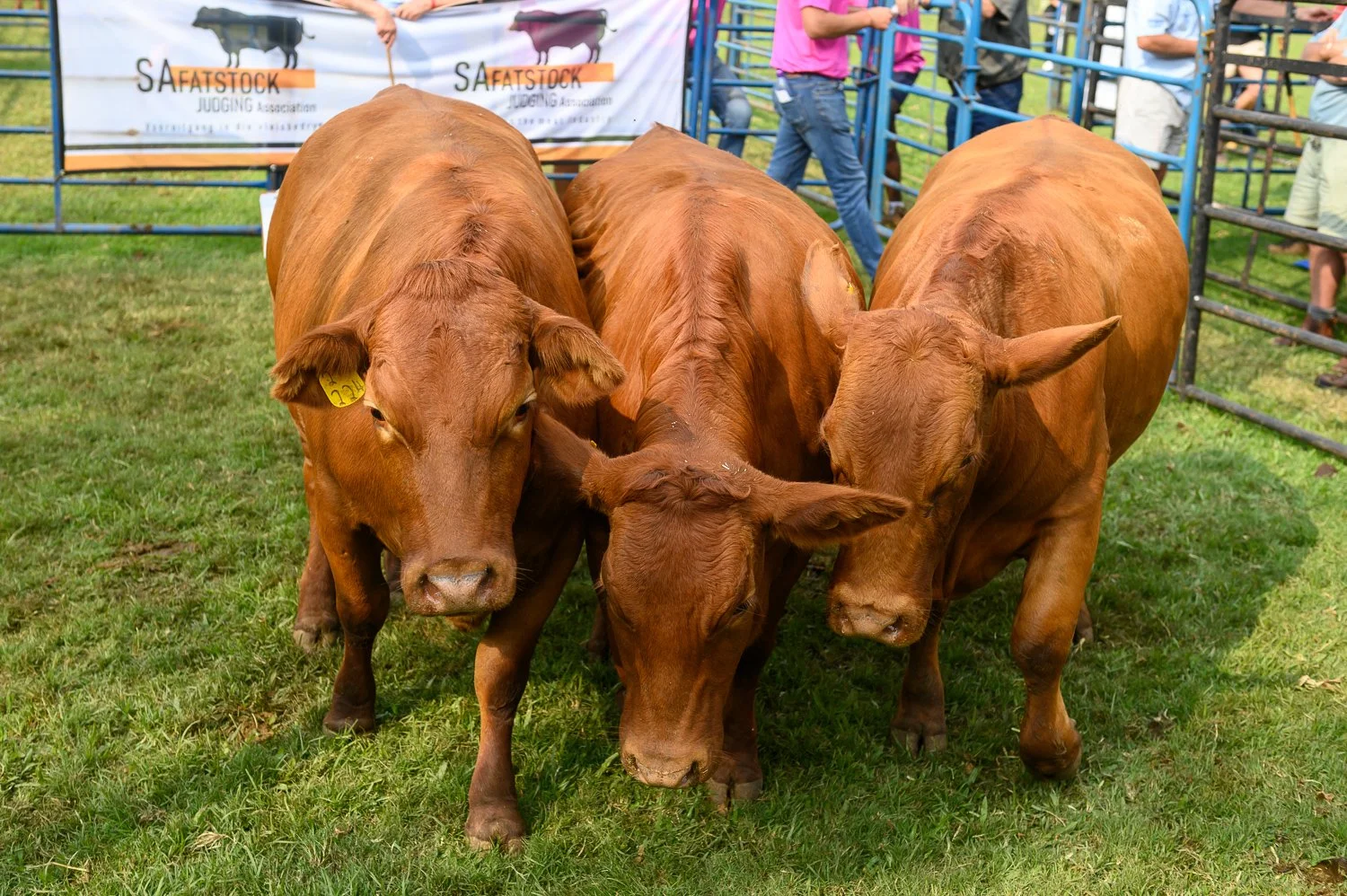
The focus returns to cattle on Friday, 9 October, with the Royal Veld Heifer Competition for feminine, fertile, grass-fed females brought directly from the veld and judged for qualities that matter in working breeding herds.
This is not a stud-heifer show. The cattle are neither halter-trained nor show-conditioned: they come from their veld camps for judging and return immediately afterwards, making this a genuine veld-to-judging-ring competition.
There are two sections, Weaner Heifers and Open Heifers. Animals arrive from 08:00, judging begins at 10:00 and the prize presentation is scheduled for 13:00. Judges Barry Symons and Rowan van Aardt will be looking for femininity, form and function.
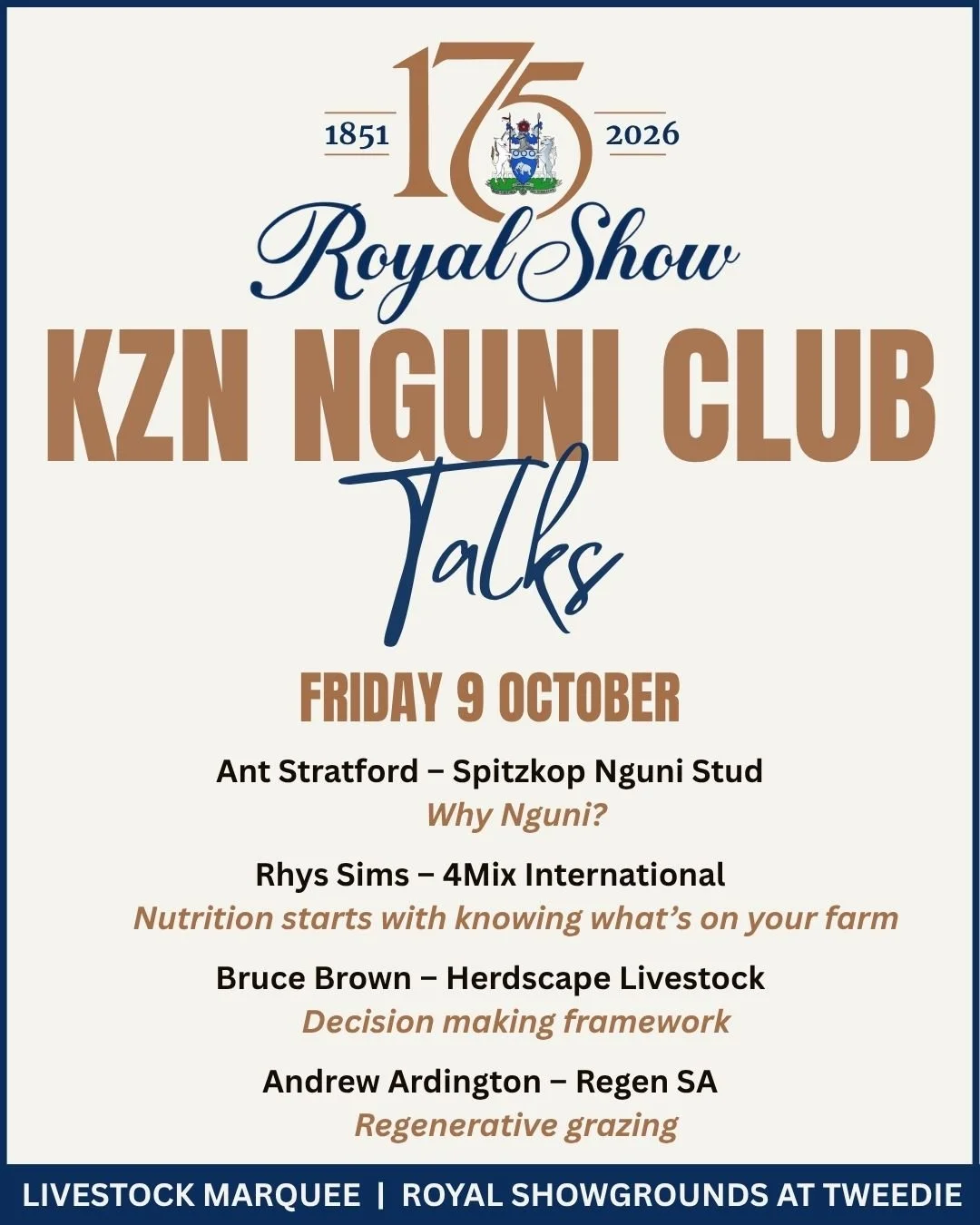
Friday also brings a knowledge-sharing element. The KZN Nguni Club will hold its AGM in the Livestock Marquee at 10:00. While the AGM is closed, it will be followed by talks open to Royal Show visitors and farmers.
Topics include the relevance of Nguni cattle to South African producers, understanding what is available on the farm before making nutritional decisions, livestock decision-making and regenerative grazing.
Together, the competition and talks offer an opportunity to see cattle while engaging with the thinking behind breeding, feeding, grazing and management.
Cattle-related learning continues in the Technology & Education Hub, with talks covering community-based cattle breeding, livestock reproduction, precision livestock technology, milk recording and INTERGIS, livestock security and the South African red meat classification system. Together, these sessions add another dimension to the cattle programme, looking beyond the show ring to the breeding, data, technology and market systems that underpin modern livestock production.
Nguni, Bonsmara and Brahman on display
Visitors will also be able to see Nguni, Bonsmara and Brahman cattle within the livestock exhibits.
Although 2026 does not feature the full stud-cattle programme associated with the Royal Show’s usual May timing, these exhibits maintain an important connection with the stud and genetics sector.
They allow visitors to look more closely at breeds used in South African cattle production and the different characteristics, environments and breeding objectives that influence farmers’ choices.
Saturday: the prestigious Royal Carcass Competition
The progression from live cattle to commercial outcome reaches its conclusion on Saturday, 10 October.
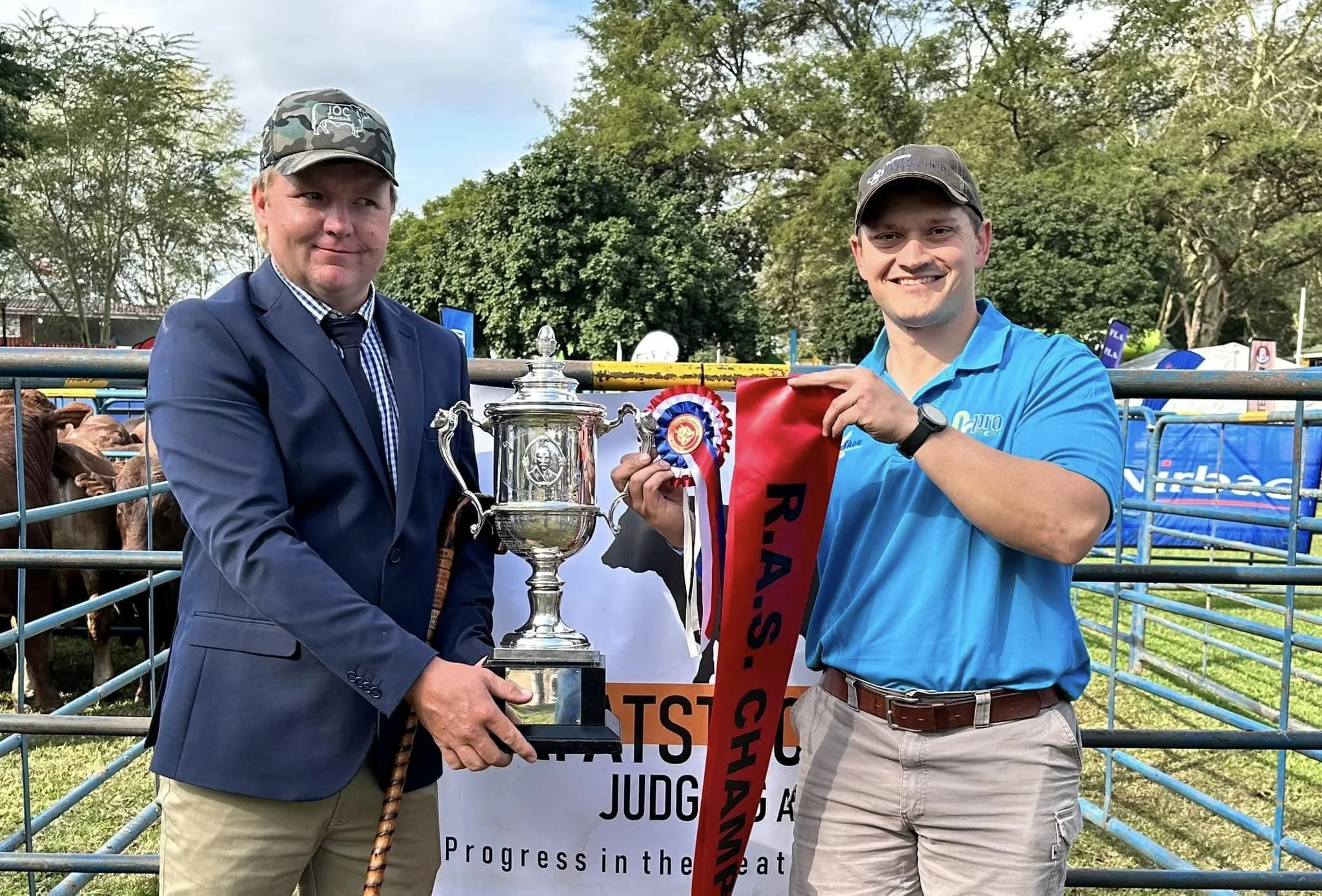
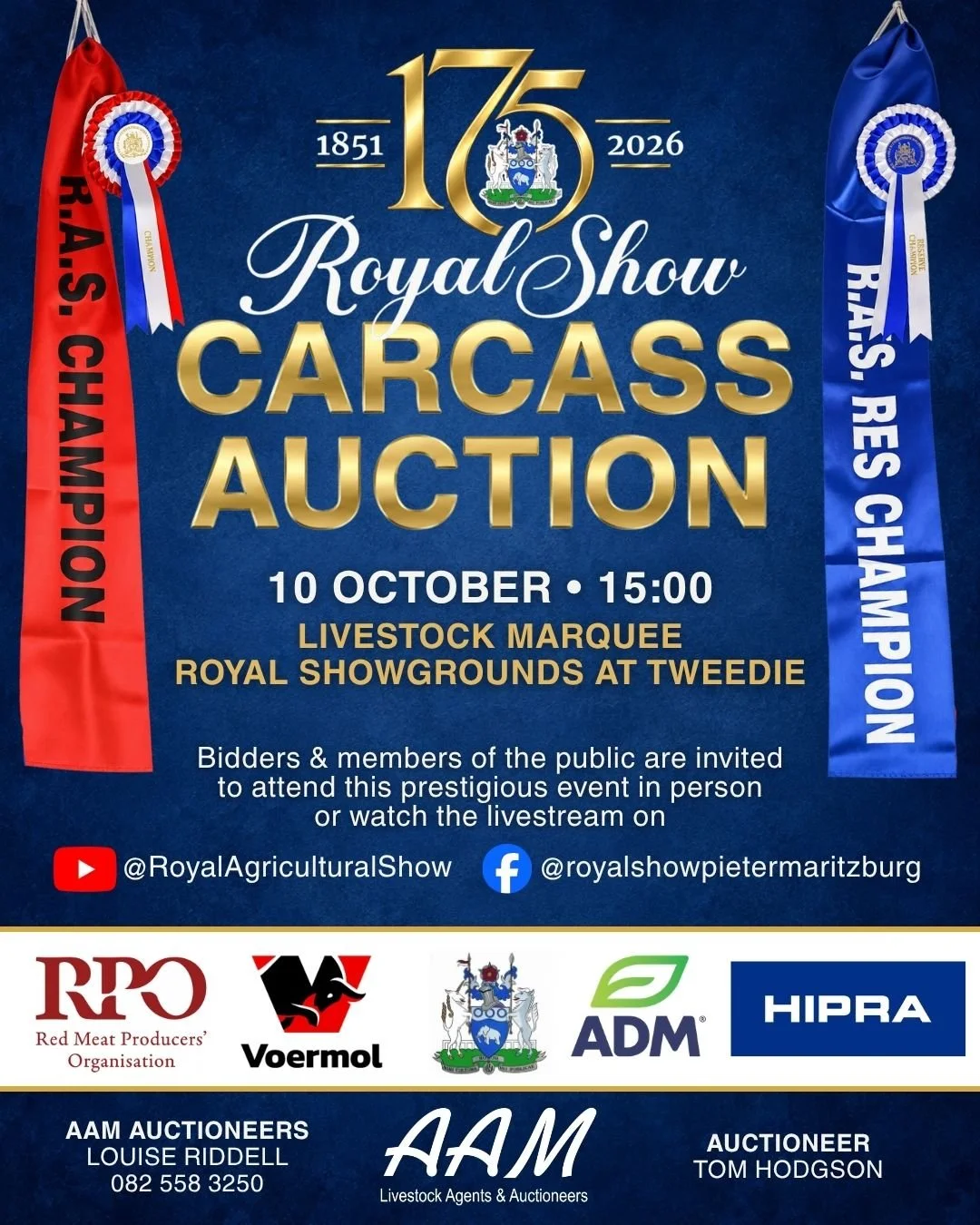
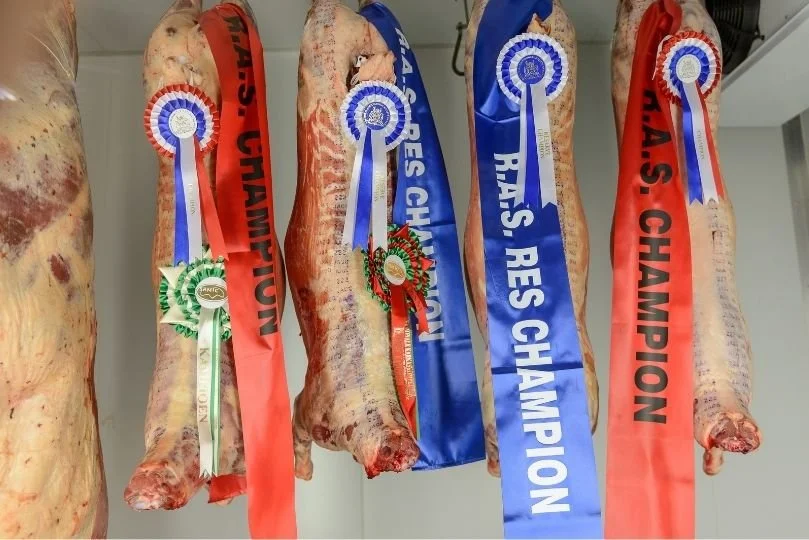
Proceedings in the Livestock Marquee begin from 15:00 with the Royal Carcass Competition awards, followed immediately by the Royal Carcass Auction. Tom Hodgson will serve as auctioneer, with AAM Livestock Agents & Auctioneers facilitating the sale.
The Carcass Competition forms the on-the-hook component of the broader Fat Stock programme, completing the progression begun with live-animal judging earlier in the week.
It has long been an important Royal Show livestock event because it closes the loop between the animal seen in the ring and the product ultimately produced for the market. Carcass assessment provides another measure of the breeding, feeding and management decisions made by producers.
The Auction then takes that process into the marketplace, where some of the Show’s finest beef and lamb carcasses are offered to discerning buyers.
A cattle programme adapted to an unusual year
Foot and Mouth Disease has presented significant challenges to livestock agriculture and played a direct role in the Royal Show’s move from May to October in 2026.
The resulting programme is therefore not simply the usual cattle section transferred to another month. It has been shaped around commercial cattle, young stockmanship, veld heifers, breed representation, practical farmer knowledge and the progression from live-animal judging to carcass quality and market value.
In the 175th anniversary year of the Royal Agricultural Society, cattle remain firmly connected to the Royal Show’s purpose: bringing producers, industry, students and visitors together around the animals, knowledge and ideas that shape South African farming.